
Responsible Gambling NZ: Resources & Support — KICKOFF26
 Available in US
Loading...
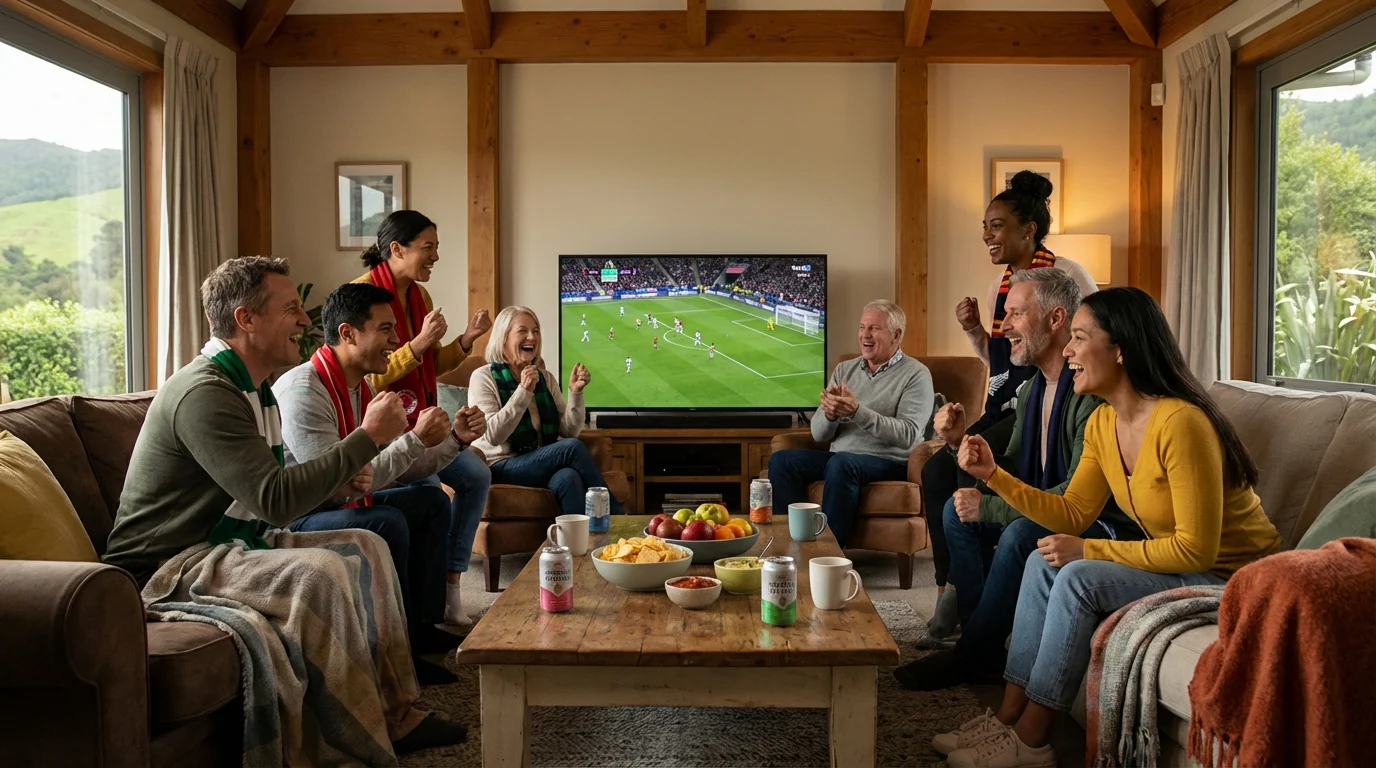
I write about betting for a living, and I want to be direct about something that the industry often buries in fine print: gambling carries real financial and psychological risk. The World Cup 2026 will generate enormous excitement, and with that excitement comes a spike in betting activity — the 2022 World Cup saw a 38% increase in global wagering volume compared to 2018. For New Zealand, where approximately 80% of the adult population participates in some form of gambling, the conversation about responsible gambling is not theoretical. It is personal, it is national, and it matters more during major sporting events than at any other time.
Recognising Problem Gambling: What the Data Shows
Problem gambling is not always obvious, and the signs are easier to miss than most people assume — especially during a World Cup, when betting feels like part of the social experience rather than a standalone activity. I have spent years studying the data on gambling harm, and the research consistently identifies a set of warning signs that apply across demographics and betting styles.
The first and most reliable indicator is chasing losses. When a bet loses and the immediate response is to place another bet to recover the loss — often at higher stakes or longer odds — that is a pattern that escalates quickly. During a World Cup group stage with three matches per day, the opportunities to chase losses multiply in ways that a normal sports calendar does not permit. A punter who loses on the first match of the day and immediately bets on the second match to “get it back” is exhibiting chasing behaviour, even if it feels rational in the moment.
Other warning signs include: betting more than you can afford to lose, borrowing money or selling assets to fund betting, spending increasing amounts of time thinking about or placing bets, neglecting work, family, or social commitments because of betting activity, lying to others about how much you bet or how much you have lost, feeling anxious or irritable when not betting or when trying to reduce betting, and using betting as a way to escape stress, boredom, or negative emotions.
The New Zealand Ministry of Health’s research indicates that 0.3% of the adult population meets the criteria for problem gambling (approximately 11,000 people), with an additional 1.7% classified as moderate-risk gamblers (approximately 63,000 people). These numbers appear small in percentage terms, but they represent real individuals and families experiencing genuine harm. During major sporting events, the moderate-risk category is the one I watch most closely: these are punters who normally bet within their means but are drawn into escalating patterns by the intensity and frequency of World Cup betting opportunities.
If you recognise any of these patterns in yourself — even mildly — I encourage you to pause, reassess your betting activity, and consider whether a cooling-off period would be beneficial. Betting on the World Cup should be entertainment, not a source of stress or financial pressure.
NZ Support Resources
New Zealand has a well-developed network of support services for problem gambling, funded primarily through a levy on gambling operators. These services are free, confidential, and available to anyone — you do not need to meet a clinical threshold to access help.
Gambling Helpline: 0800 654 655 — Free, confidential, available 24 hours a day, 7 days a week. Staffed by trained counsellors who can provide immediate support, referral to local services, and information about self-exclusion options. You can also text 8006 for text-based support.
The Gambling Foundation — Provides face-to-face counselling through regional offices across New Zealand. Services are free and confidential. Sessions cover individual counselling, family/whanau support, and financial counselling for gambling-related debt.
Mapu Maia — A Pacific-focused gambling harm minimisation service providing culturally appropriate support for Pacific communities in New Zealand.
Asian Family Services — Offers gambling support in Mandarin, Cantonese, Korean, Vietnamese, Japanese, and Thai, recognising the specific cultural dynamics around gambling in Asian communities.
TAB NZ Responsible Gambling Tools — TAB NZ offers deposit limits (daily, weekly, monthly), loss limits, session time reminders, cooling-off periods (24 hours to 6 months), and full self-exclusion. These tools can be activated through your TAB NZ account settings or by contacting TAB NZ customer support directly.
I want to emphasise that contacting any of these services carries no stigma and no consequences. They exist to help, and they are used by thousands of New Zealanders every year — including people who bet responsibly but want to check in with a professional to ensure they stay on track.
Self-Management Tools: A Practical Framework
In my experience, the most effective approach to responsible gambling is proactive — setting limits before you start betting, not after problems emerge. The World Cup runs for 39 days, with matches every day and multiple betting markets open simultaneously. That sustained exposure is unique in the sporting calendar, and it demands a plan.
Set a tournament budget. Before the World Cup starts, decide on a total amount you are willing to spend on betting over the entire 39-day tournament. This should be money you can lose entirely without affecting your rent, bills, savings, or quality of life. Once you have set this number, divide it by the number of days or weeks you plan to bet actively. A NZ$200 tournament budget means approximately NZ$5 per day or NZ$30 per week — adjust the total to your personal circumstances, but the principle is the same: define the ceiling before the first ball is kicked.
Use deposit limits. TAB NZ’s deposit limit feature allows you to cap the amount you can deposit into your account within a given period. Setting a weekly deposit limit that matches your tournament budget ensures you cannot exceed your plan in a moment of excitement or frustration. Deposit limits can be lowered immediately but take 24-48 hours to raise — a deliberate design that prevents impulsive increases.
Take breaks. The World Cup schedule creates a daily rhythm of anticipation, matches, and results. That rhythm can make betting feel continuous and automatic. I recommend taking at least one full day off from betting every week during the tournament — a day where you watch matches purely as a fan, without any financial stake in the outcome. The difference in how you experience a match when you have no bet running is striking, and it provides a useful emotional reset.
Track your results. Keep a simple record of every bet you place: date, match, market, stake, odds, and result. After each week of the tournament, review your record. Are you ahead or behind? Are your stakes increasing? Are you betting on markets you do not understand? The data does not lie, and a written record prevents the selective memory that allows losses to accumulate unnoticed.
Separate your betting account from your daily finances. If possible, fund your TAB NZ account from a separate bank account or digital wallet that contains only your betting budget. This creates a psychological and practical barrier between gambling money and essential funds.
Problem Gambling in NZ: The Data
New Zealand’s relationship with gambling is complex and deeply embedded in the national culture. The data reveals a population that gambles widely but, for the most part, within manageable limits — though the exceptions are significant enough to warrant ongoing public health attention.
Approximately 80% of New Zealand adults (around 3.6 million people) participate in some form of gambling annually. The most common forms are Lotto (65% participation), followed by instant-scratch tickets, pub gaming machines (pokies), and sports betting through TAB NZ. Sports betting has grown significantly over the past decade, driven by the digitisation of TAB NZ’s platform and the increasing availability of international football markets.
Pokies (electronic gaming machines) account for the largest share of gambling harm in New Zealand, responsible for an estimated 60-70% of problem gambling cases despite representing a smaller share of total gambling revenue than Lotto. Sports betting accounts for a lower proportion of problem gambling cases, but the rapid growth of the sector — particularly among younger male demographics — is a trend that public health researchers are monitoring closely.
The economic cost of problem gambling in New Zealand has been estimated at over NZ$500 million annually when accounting for healthcare, social services, criminal justice, and lost productivity. That number sits behind the headlines, and it is the reason I treat responsible gambling not as a compliance checkbox but as a genuine ethical obligation for anyone who writes about betting professionally.
KICKOFF26 Commitment
I want to be transparent about how this site approaches the intersection of betting content and responsible gambling. KICKOFF26 is an informational and analytical resource — I provide data, odds analysis, and predictions to help NZ punters make informed decisions. I do not operate a betting platform, and I do not accept bets.
My commitments: I will never present gambling as a guaranteed way to make money. Every bet carries risk, and past results do not predict future outcomes. I will include responsible gambling messaging in content where betting recommendations are made. I will not target content at people under 18. I will provide accurate information about NZ gambling laws and regulations.
Betting on the World Cup can be enjoyable, social, and exciting. But it should always remain one part of the experience — not the experience itself. If you need support, the Gambling Helpline is free, confidential, and available 24/7: 0800 654 655.
