
World Cup 2026 Betting in NZ: Legal Options & Guide — KICKOFF26
 Available in US
Loading...
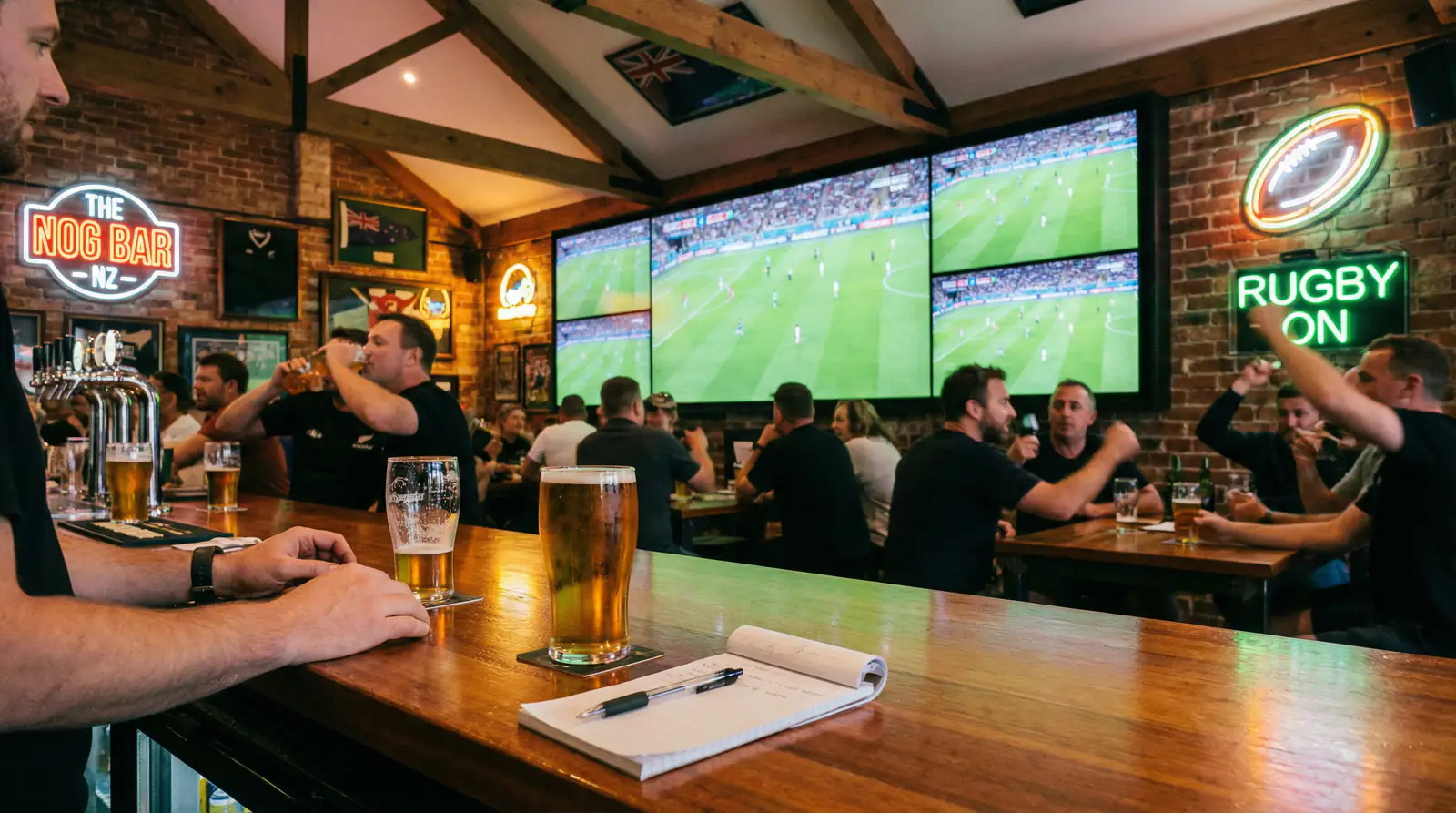
The regulatory landscape for sports betting in New Zealand underwent its most significant transformation in decades during 2025. If you are planning to bet on the World Cup 2026 from anywhere in New Zealand, understanding the legal framework is not merely advisable — it is essential for avoiding penalties that now carry substantial financial consequences. I have spent considerable time analysing the Gambling Act amendments and Racing Industry Act changes so that you do not need to decipher parliamentary language yourself.
The short version: TAB NZ holds an exclusive monopoly on sports betting within New Zealand. No other operator can legally accept sports bets from individuals located in New Zealand. This framework simplified the legal question — “where can I bet legally?” has exactly one answer — while eliminating the competitive market dynamics that punters in other jurisdictions enjoy. The World Cup 2026 will be New Zealand’s first major football tournament under this clarified regulatory structure.
The Legal Framework: What NZ Law Says
New Zealand’s gambling legislation operates through multiple overlapping statutes that have evolved over two decades of regulatory refinement. Understanding what the law actually permits requires examining the specific provisions rather than relying on assumptions that may have been accurate previously but no longer reflect current restrictions.
The Gambling Act 2003 established the foundational framework for all gambling activity in New Zealand. This legislation created the regulatory categories — Class 1 through Class 4 gambling, plus casino and sports betting provisions — that subsequent laws have modified. The Act designated the Department of Internal Affairs (DIA) as the primary regulator responsible for licensing, compliance, and enforcement. Every legal gambling operator in New Zealand operates under DIA oversight.
The Racing Industry Act 2020 transformed sports betting regulation through amendments that took effect on 28 June 2025. These changes granted TAB NZ exclusive authority to offer sports betting services to individuals located within New Zealand. The exclusivity provision explicitly prohibits any other operator — domestic or international — from accepting sports bets from New Zealand residents or visitors. This monopoly structure differs fundamentally from markets like the United Kingdom or Australia, where multiple licensed operators compete for customers.
The Online Casino Gambling Act added further complexity when it took effect on 1 May 2026. This legislation created a licensing framework for online casino operators — 15 licenses distributed through auction beginning September 2026 — while maintaining TAB NZ’s sports betting monopoly. The distinction matters: online casino gambling will become available through multiple licensed operators, while sports betting remains TAB NZ’s exclusive domain. The two categories operate under different regulatory structures despite both involving online wagering.
Advertising restrictions have intensified substantially under the new framework. The May 2026 changes increased maximum penalties for illegal gambling advertising to NZ$300,000 for individuals and NZ$5,000,000 for corporations. These provisions target offshore operators who might advertise to New Zealand audiences despite lacking legal authority to accept bets. For punters, the practical implication involves recognising that advertised offshore betting opportunities carry legal risks regardless of how legitimate they might appear.
TAB NZ: The Only Legal Option for Sports Betting
TAB NZ — the Totalisator Agency Board — has operated in New Zealand since 1951, making it one of the world’s oldest state-controlled betting operators. What began as infrastructure for horse racing betting expanded over decades to encompass all sports wagering, creating the institutional foundation that the 2025 legislation formalised into exclusive monopoly status. Understanding TAB NZ’s characteristics helps evaluate the betting experience available to New Zealand World Cup punters.
The historical context shapes TAB NZ’s competitive position. Unlike commercial bookmakers that emerged in competitive markets, TAB NZ developed within a protected environment that prioritised funding for racing industry and community grants over customer acquisition through promotional incentives. This heritage creates both strengths — institutional stability, regulatory compliance, established infrastructure — and limitations that punters accustomed to competitive markets might find frustrating.
TAB NZ’s digital platform has improved substantially since the 2020 Racing Industry Act positioned the organisation for expanded sports betting responsibility. The mobile application provides functionality that meets contemporary expectations: live betting, cash-out options, bet builders, and promotional features. The user interface, while not matching the sophistication of major international operators, serves functional purposes without creating barriers to engagement.
Registration with TAB NZ requires standard identity verification procedures. New Zealand residents must provide proof of identity and address, while age verification confirms compliance with R18 requirements. The registration process completes within minutes for most applicants, though verification delays occasionally occur when documentation requires manual review. Account funding accepts major New Zealand bank transfers, debit cards, and selected digital payment methods.
The odds quality at TAB NZ warrants honest assessment. Without competitive pressure from alternative operators, TAB NZ lacks the market forces that drive odds improvement elsewhere. Independent analysis suggests TAB NZ margins exceed those of major international operators by 2-4 percentage points on typical markets — a gap that compounds over significant betting volume. For casual World Cup engagement, this difference proves negligible. For serious punters, the margin differential represents meaningful value erosion that the legal framework compels them to accept.
World Cup Markets Available at TAB NZ
TAB NZ’s World Cup 2026 coverage includes the market range that contemporary punters expect, though depth on exotic markets falls below international alternatives. The core offerings serve standard betting needs while specialist options remain limited compared to operators whose scale permits more granular market provision.
| Market Type | Availability | Notes |
|---|---|---|
| Tournament Winner | Available | All 48 teams priced |
| Group Winner | Available | All 12 groups |
| Top Scorer (Golden Boot) | Available | 30+ players priced |
| Match Result (1X2) | Available | All matches |
| Asian Handicap | Available | Limited line options |
| Over/Under Goals | Available | Standard lines (2.5, 3.5) |
| Both Teams to Score | Available | All matches |
| Correct Score | Available | Standard scorelines |
| First Goalscorer | Available | Starting players only |
| Player Props | Limited | Major matches only |
| Live Betting | Available | Core markets only |
The All Whites markets receive appropriate attention given New Zealand audience interest. Group G outcomes, New Zealand qualification probability, and individual match markets for the three group fixtures all feature prominently. Chris Wood scoring props and New Zealand-specific specials should appear closer to tournament commencement when market demand clarifies which exotic options justify inclusion.
Live betting functionality covers essential requirements without matching the granular options that international operators provide. Match result, next goal, and basic handicap adjustments update throughout matches, while more exotic in-play markets remain unavailable. For casual punters, this coverage suffices. For those seeking comprehensive live trading opportunities, TAB NZ’s limitations become apparent.
What NZ Punters Should Know Before Betting
Several characteristics of New Zealand’s betting environment create advantages that other jurisdictions do not share. Understanding these features helps optimise the World Cup betting experience within the legal framework that TAB NZ monopoly creates.
Gambling winnings in New Zealand are not taxable income. Unlike jurisdictions that apply withholding taxes or require declaration of betting profits, New Zealand treats gambling returns as windfalls excluded from income calculations. A successful World Cup accumulator that returns $10,000 produces $10,000 in untaxed proceeds. This tax treatment represents genuine advantage over markets where fiscal obligations diminish betting returns.
Decimal odds format is standard across TAB NZ platforms. New Zealand follows Australian and European convention rather than the fractional odds familiar from British betting culture. A price of 2.50 means a winning $10 bet returns $25 (the original stake plus $15 profit). This format simplifies return calculations compared to fractional alternatives, though punters with UK betting experience may require adjustment.
New Zealand dollar (NZD) transactions eliminate currency conversion concerns that international operators might create. Deposits, withdrawals, and account balances denominate in NZD without exchange rate fluctuations or conversion fees affecting value. For World Cup betting where odds might otherwise be compared against GBP or EUR alternatives, this simplification provides clarity despite limiting competitive comparison opportunities.
Responsible gambling tools are mandatory features of TAB NZ’s platform. Deposit limits, loss limits, session time restrictions, and self-exclusion options provide mechanisms for managing betting activity. The Gambling Helpline (0800 654 655) offers free support for individuals experiencing gambling-related difficulties. These provisions reflect New Zealand’s regulatory emphasis on harm minimisation within legal gambling frameworks.
The Offshore Question: Legal Risks and Data
The regulatory reality confronts a practical truth: many New Zealand punters access offshore betting operators despite the legal framework that prohibits such activity. I present this information factually rather than as recommendation — understanding the risks helps inform decisions that individuals must make for themselves.
Enforcement targeting individual bettors has been minimal historically. The DIA’s resources focus primarily on operators and advertisers rather than punters who access offshore platforms. This enforcement priority reflects practical limitations — identifying and prosecuting individual offshore betting would require resources that produce minimal deterrent effect compared to targeting operators who process thousands of transactions.
The legal position remains clear despite limited enforcement. Individuals who place bets with unlicensed operators technically violate New Zealand gambling law. The penalties for such violations — while rarely imposed against individual bettors — exist within the statutory framework. Regulatory attitudes could shift, particularly as the May 2026 advertising restrictions create incentives for more aggressive enforcement against the broader offshore gambling ecosystem.
Consumer protection disappears outside the licensed framework. Offshore operators who accept New Zealand bets do so without DIA oversight, meaning disputes have no regulatory avenue for resolution. Account closures, refused withdrawals, or disputed bet settlements must rely on the operator’s internal processes — with no New Zealand authority able to intervene on a punter’s behalf. This protection gap represents genuine risk beyond mere legal technicalities.
Payment processing complications frequently affect offshore betting access. New Zealand banks increasingly decline transactions to unlicensed gambling operators, creating practical barriers beyond legal restrictions. Credit card blocks, failed deposits, and withdrawal difficulties compound the regulatory risks that offshore betting entails. These payment friction points have intensified since the 2025 regulatory changes clarified TAB NZ’s monopoly position.
The odds comparison that motivates offshore access provides measurable justification for the risks that individuals accept. Major international operators typically offer 2-4% better margins than TAB NZ across comparable markets. On significant betting volume, these differences compound into substantial value differentials. Whether that value justifies the legal and consumer protection risks remains an individual calculation that each punter must evaluate according to their circumstances and risk tolerance.
Practical Guidance for World Cup Betting
Navigating World Cup 2026 betting from New Zealand involves practical considerations beyond legal framework understanding. The following observations reflect experience accumulated across multiple tournament cycles and regulatory environments.
Early outright markets offer different value profiles than pre-match betting. Tournament winner odds stabilise as the event approaches, while group-stage match odds experience volatility based on team news, injury updates, and qualification scenarios. TAB NZ releases outright World Cup markets months before the tournament, allowing early positions on teams whose odds might shorten as the event nears. The All Whites, for instance, may see their group qualification odds adjust significantly based on Iran’s participation status.
The timing of bet placement matters for capturing optimal prices. TAB NZ’s odds movements track international market shifts with some delay — creating brief windows when prices exceed what arbitrage traders would permit in more liquid markets. Monitoring odds around major news events (injury announcements, squad selections, tactical revelations) sometimes reveals value that efficient markets would eliminate quickly.
Multi-bet promotions provide one area where TAB NZ’s competitive positioning improves. Accumulator bonuses, multi-builder features, and promotional odds boosts occasionally create positive expected value situations that individual market odds alone cannot provide. Evaluating these promotions requires calculating whether enhanced returns compensate for the combined probability requirements that multi-bets demand.
The World Cup 2026 betting guide covers market types, strategic approaches, and analytical frameworks that apply regardless of which operator processes your bets. The legal framework determines where you can bet legally; the strategic framework determines how you approach the betting itself. Both dimensions matter for World Cup engagement that combines enjoyment with informed decision-making.
Account management during the tournament requires attention to deposit patterns and withdrawal timing. TAB NZ processes withdrawals within 1-3 business days for most methods, meaning funds from early group-stage success become available for knockout-round reinvestment. Planning your World Cup betting schedule around tournament phases — group stage value hunting, knockout accumulation opportunities, late-tournament proposition targeting — helps structure engagement that matches tournament progression.
The All Whites factor influences New Zealand betting patterns in ways that purely rational analysis might overlook. Patriotic betting on New Zealand matches — backing the All Whites regardless of objective value assessment — represents emotional engagement rather than strategic positioning. Nothing is wrong with such betting provided you recognise the motivation differs from value-seeking. Separating emotional bets from analytical positions helps evaluate your World Cup betting performance honestly when the tournament concludes.
Record-keeping serves multiple purposes during extended tournament betting. Tracking your World Cup bets — stake, odds, outcome, and reasoning — provides data for post-tournament analysis that improves future performance. Simple spreadsheet tracking suffices; the discipline of recording decisions matters more than sophisticated tracking systems. Review this record after the tournament to identify patterns: which market types performed well, which analysis approaches produced value, and where emotional betting influenced decisions.
Bankroll management becomes particularly important during tournament betting. The World Cup’s condensed schedule — 104 matches across 39 days — creates temptation for aggressive betting that depletes funds before knockout rounds begin. Establishing a total World Cup bankroll, then allocating portions across tournament phases, helps sustain engagement throughout the event. A common approach reserves 40% for group stage, 35% for knockout rounds through quarter-finals, and 25% for semi-finals and final. Adjust these proportions based on your analytical confidence at each tournament phase.
The responsible gambling dimension deserves emphasis beyond mandatory compliance mention. Tournament betting creates extended engagement periods where the normal rhythms of win-loss-break become compressed. Setting session limits, taking deliberate breaks between betting phases, and maintaining perspective on betting as entertainment rather than income source — these practices matter more during World Cup intensity than during routine weekly betting. TAB NZ’s responsible gambling tools exist precisely for managing these dynamics; using them reflects maturity rather than weakness.
